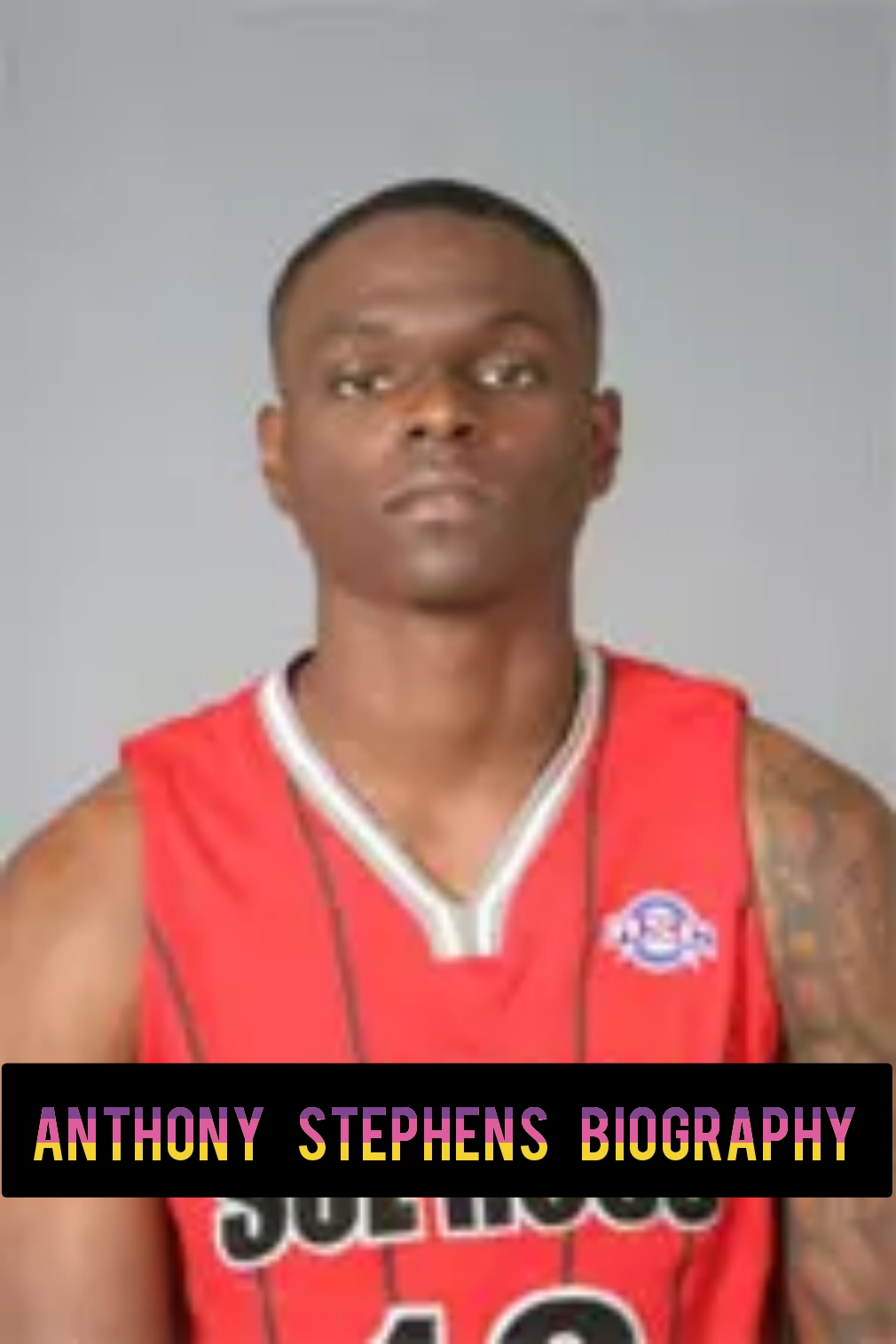
Anthony Stephens Biography
Anthony Stephens stands as a remarkable figure in the world of Paralympic swimming, a British athlete whose determination and skill brought him to the highest levels of international competition. Born with a physical impairment that classified him in the S5 category, he transformed personal challenges into a career marked by excellence, resilience, and national pride. Over more than a decade of elite performance, he collected multiple medals at the Paralympic Games and claimed a world title, inspiring many with his dedication to the sport. This biography explores his journey from early beginnings to lasting influence, highlighting the qualities that defined his path.
What draws many to the story of Anthony Stephens is the pure sense of freedom he found in the water from a very young age. Despite being born with a three limb deficiency that affected his arms and one leg, he discovered swimming as a place where limitations faded and possibility took over. That early connection to the pool would later carry him across continents and onto the world stage, where he stood among the best in his classification.
Anthony Stephens Early Life
Anthony Stephens was born on 9 July 1986 in Reading, England. Growing up in a supportive family environment, he faced physical challenges from the start due to a congenital condition that resulted in the absence or underdevelopment of three limbs. This reality shaped his daily life yet never defined the limits of what he could achieve. His family encouraged activity and independence, helping him develop a strong sense of self from childhood.
He began swimming at the age of three. The water offered him a unique sense of movement and independence that land based activities could not match. By the age of eight he was already competing in national events, showing early promise and a competitive spirit that set him apart from many of his peers. Local clubs and coaches recognized his talent and commitment, providing structured training that built both technical skill and mental toughness.
Education remained important alongside sport. Stephens attended King Alfred School in the Highbridge area of Somerset, where his family later settled. The school environment allowed him to balance academic responsibilities with growing involvement in swimming. Teachers and classmates noted his positive attitude and determination. Outside formal schooling he continued to develop practical skills, later earning a BTEC qualification in motor vehicle mechanics from Swansea College. This combination of academic and vocational learning reflected a grounded approach to life beyond the pool.
His upbringing in Reading and later Highbridge instilled values of hard work and perseverance. Family support proved essential as he navigated the early stages of competitive swimming. Coaches introduced him to the classification system used in Paralympic sport, placing him in the S5 category for athletes with significant physical impairments. This classification opened doors to specialized competition and training pathways that would shape his future.
Anthony Stephens Personal Life
Away from the intense focus of training and competition, Anthony Stephens maintained a private and grounded personal life. He has spoken little publicly about romantic relationships or family details beyond his immediate upbringing, preferring to keep those aspects respectful and out of the spotlight. What is clear is the steady presence of family support throughout his career. Relatives stood behind him during the long hours of training and the emotional highs and lows of major events.
Hobbies and interests outside swimming included practical skills and teaching. After completing his BTEC in motor vehicle mechanics, he also qualified as an assistant swimming teacher. This role allowed him to share his love of the water with others and give back to the sport that had given him so much. The combination of mechanical knowledge and instructional ability showed a versatile side to his character.
Lesser known aspects of his life include his move to train full time at the Swansea High Performance Centre. Living in Highbridge, Somerset, while training in Wales required careful management of travel and routine. He adapted well to the demands of elite sport, maintaining a disciplined lifestyle that balanced recovery, nutrition, and mental preparation. Friends and teammates often described him as focused yet approachable, someone who brought quiet determination to the training environment.
Stephens valued the sense of community within the British Paralympic swimming team. Shared experiences with fellow athletes created lasting bonds. He approached life with a practical outlook, viewing challenges as opportunities to grow rather than obstacles to avoid. This mindset extended beyond sport into everyday decisions and relationships.
Anthony Stephens Rise to Prominence
The path to national and international recognition began with consistent performances at domestic level. In 2003 Stephens entered the British Championships and claimed gold medals in both the 200 metre freestyle and the 150 metre individual medley. These victories marked a clear turning point. Selectors took notice, and he earned a place on the Great Britain team for the 2004 Summer Paralympics in Athens.
Athens represented his breakthrough moment on the world stage. At just eighteen years old he competed in seven events across freestyle, backstroke, individual medley, and relays. The experience of racing against the best athletes in the S5 classification sharpened his competitive edge. He returned home with four medals, establishing himself as a serious contender for future major championships.
Following Athens, Stephens continued to build momentum. He trained with increasing intensity at the Swansea High Performance Centre, benefiting from world class coaching and facilities. Lottery funding allowed him to focus fully on swimming, a significant step that professionalized his approach. Early career success at British Championships and international meets prepared him for the next major challenge.
The 2006 IPC World Championships in Durban, South Africa, provided another key turning point. There he claimed gold in the 200 metre freestyle, defeating strong rivals including Spain’s Sebastian Rodriguez, the defending Paralympic champion in that event. The victory confirmed his status among the elite and brought personal satisfaction after earlier setbacks. Consistent high level performances over the following years solidified his position within the British team.
Selection for the 2008 Beijing Paralympics and later the 2012 London Games demonstrated sustained excellence. Each cycle brought new challenges in training volume, race strategy, and mental preparation. Stephens approached every major meet with careful planning and a clear understanding of his strengths in freestyle events.
Anthony Stephens Major Achievements
Anthony Stephens built an impressive record of medals and strong finishes across three Paralympic Games and multiple world and European championships. At the 2004 Athens Paralympics he secured silver in the 200 metre freestyle S5, bronze in the 50 metre freestyle S5, bronze in the 100 metre freestyle S5, and bronze in the 4×50 metre freestyle relay. These results announced his arrival as a medal contender on the biggest stage.
In Beijing 2008 he added another bronze medal in the 200 metre freestyle S5. Although he finished just outside the medals in other events, the performance showed continued competitiveness against an improving international field. His ability to reach finals and challenge for podium places remained consistent.
The 2006 World Championships stand out as a career highlight. Gold in the 200 metre freestyle came with additional bronze medals and British records. He described the world title as his greatest achievement, noting the satisfaction of performing at a high level for over a decade afterward.
At the 2009 IPC European Championships in Reykjavik he claimed gold medals in the 50 metre backstroke S5 and 50 metre butterfly S5, along with silver medals in freestyle events and the medley relay. These results underlined his versatility across strokes within the S5 classification.
London 2012 marked his third Paralympic appearance. He reached finals in the 50 metre freestyle, 100 metre freestyle, and 200 metre freestyle, finishing fourth in the 200 metre event and fifth in the 100 metre. While medals proved elusive that year, the performances reflected years of sustained excellence and the rising standard of competition.
Beyond medals, Stephens contributed to the growth of British Paralympic swimming through consistent representation and professional standards. His results helped raise the profile of the S5 classification and inspired younger athletes with similar impairments. Qualification as an assistant swimming teacher allowed him to pass on technical knowledge and a positive approach to the next generation.
Anthony Stephens Challenges and Setbacks
Like many elite athletes, Anthony Stephens faced significant obstacles that tested his resilience. A serious shoulder injury following the Athens Paralympics kept him out of competition for eighteen months. The injury affected the shortened right arm and threatened to end his career at a young age. Recovery required patience, careful rehabilitation, and mental strength. He returned stronger, using the time away to refine his technique and rebuild fitness.
Competition within the S5 classification grew increasingly intense. Rivals such as Daniel Dias of Brazil and Sebastian Rodriguez of Spain set high standards, forcing Stephens to continually improve. Narrow misses in finals, including fourth place finishes in major events, brought disappointment yet also motivation. At London 2012 the pressure of competing on home soil added another layer of expectation. He handled the attention with professionalism, focusing on process rather than outcome.
Balancing full time training with personal development presented ongoing challenges. The move to Swansea for high performance training meant time away from family and familiar surroundings. Managing travel, recovery, and the physical demands of a three limb deficiency required careful planning and support from coaches and medical staff.
Classification rules and equipment standards in Paralympic swimming sometimes created uncertainty. Stephens adapted to changes while maintaining focus on controllable factors such as training quality and race preparation. These experiences taught him the value of flexibility and long term perspective.
Through each setback he demonstrated the ability to recover and return to high performance. The comeback after the shoulder injury that led to the 2006 world title remains a powerful example of overcoming adversity. Support from family, coaches, and the British team structure played a crucial role in these recoveries.
Anthony Stephens Legacy and Current Status
Anthony Stephens left a lasting mark on British Paralympic swimming through his medal haul, world title, and consistent presence at major championships over more than a decade. His five Paralympic medals and European golds contributed to the strong tradition of success in the sport. Younger athletes in the S5 classification continue to benefit from the pathways and standards he helped establish.
After the London 2012 Games his competitive career wound down, though exact retirement details remain private. The skills he developed as an assistant swimming teacher and his practical qualifications suggest continued involvement in related fields. His story remains part of the broader narrative of British Paralympic excellence in the early twenty first century.
Public records and archived profiles continue to highlight his achievements for researchers, fans, and aspiring athletes. The combination of early talent, technical development, and mental toughness offers a model for those facing physical challenges in sport. Stephens showed that classification based competition can produce world class performances and meaningful personal growth.
In recent years attention has shifted to new generations of Paralympic swimmers, yet the foundation laid by athletes like Stephens remains relevant. His results from Athens, Beijing, and the intervening world and European events form part of the official historical record of the sport.
Conclusion
The career of Anthony Stephens reminds us that true success often grows from early challenges met with persistence and focus. From learning to swim as a small child to standing on Paralympic podiums and claiming a world title, he demonstrated that physical difference need not limit ambition. His journey encourages others to pursue excellence on their own terms, valuing both achievement and the process that produces it. In the quiet determination he brought to every race and training session, Stephens left an example that continues to resonate beyond the results themselves.
FAQs
Who is Anthony Stephens?
Anthony Stephens is a British Paralympic swimmer who competed in the S5 classification and won five medals across three Paralympic Games.
When and where was Anthony Stephens born?
He was born on 9 July 1986 in Reading, England.
What is Anthony Stephens best known for?
He is best known for his Paralympic medals in freestyle events and for winning the 200 metre freestyle gold medal at the 2006 IPC World Championships.
How many Paralympic medals did Anthony Stephens win?
He won five Paralympic medals, including one silver and four bronzes from the Athens and Beijing Games.
What challenges did Anthony Stephens face in his career?
He overcame a serious shoulder injury that kept him out of competition for eighteen months and competed successfully against increasingly strong international rivals.
Where did Anthony Stephens train?
He trained at the Swansea High Performance Centre while living in the Highbridge area of Somerset.
Did Anthony Stephens compete at the London 2012 Paralympics?
Yes, he competed at his third Paralympic Games in London, reaching several finals and finishing as high as fourth place.
What other qualifications does Anthony Stephens hold?
He earned a BTEC in motor vehicle mechanics and qualified as an assistant swimming teacher.