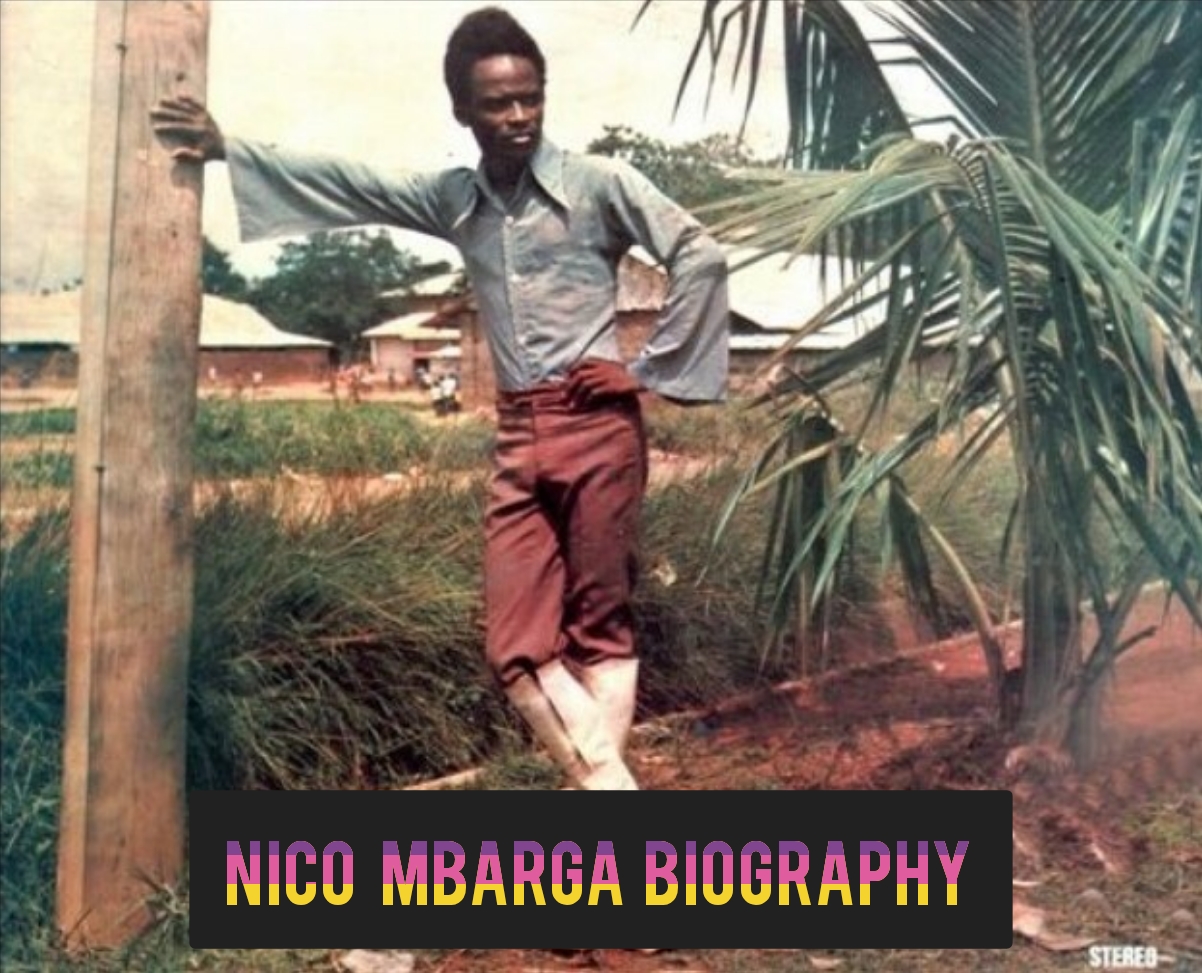
Nico Mbarga Biography
Prince Nico Mbarga stands as one of the most remarkable figures in African popular music. A Cameroonian Nigerian highlife artist, he created a sound that crossed borders and generations through simple yet powerful songs about everyday life and family. His masterpiece Sweet Mother remains one of the best selling African recordings of all time and continues to be sung across the continent decades after its release.
This biography presents a complete account of his journey from a modest childhood near the Nigeria Cameroon border through his rise as a highlife star, his personal world, the obstacles he faced, and the lasting influence of his work. It is written for readers who want a clear and engaging story of a musician whose music still brings people together.
Nico Mbarga Intro
Imagine a song so widely loved that it outsold many of the biggest international hits of its era yet remained rooted in the everyday language and feelings of ordinary Africans. That song is Sweet Mother, released in 1976 by Prince Nico Mbarga and his band Rocafil Jazz. Sung in Nigerian Pidgin English, it honours the quiet strength and sacrifice of mothers. It sold more than thirteen million copies across Africa and became a shared anthem that still plays at family gatherings, celebrations and radio stations today.
What makes the story even more striking is that the man behind the song came from a simple background and never sought the spotlight of global fame. He blended the highlife rhythms of West Africa with Congolese guitar styles and sang about the lives of people like himself. His music carried warmth and sincerity that crossed national lines and continues to connect listeners long after his death.
Nico Mbarga Early Life
Prince Nico Mbarga was born on 1 January 1950 in Abakaliki, in what is now Ebonyi State, Nigeria. His father was Cameroonian and worked as a timber sawyer. His mother was Nigerian, from the Mbembe community in Obubra Local Government Area of Cross River State, and worked as a peasant farmer and trader. The family later settled in Ikom, a quiet border town in Cross River State surrounded by rainforest and close to the Cameroon frontier. This mixed cultural setting shaped the young Nico from the start.
His father came from a line of traditional musicians and introduced him early to the xylophone. Nico built his own simple version from plantain skins and bark so he could practise. A second hand Philips radio that his father brought home opened another world. The boy listened closely to highlife records, especially the music of Bobby Benson, and fell in love with the sound. Fishing along the river and exploring the forests filled many of his free hours, but music quickly became his strongest interest.
Life changed when his father died suddenly of illness. Nico was still a child. His mother was left to raise him and his siblings alone through hard farm work. She rose early to tend crops of bananas and yams on rented land so the family could eat. The struggle taught Nico the value of a mother’s care, a lesson that later inspired his most famous song. He began singing in local bars to help support the household, sometimes receiving little or no pay.
Schooling was limited. He attended primary school in the area and later had some secondary education, but the practical lessons of daily survival and music took priority. When the Nigerian Civil War broke out in 1967, the seventeen year old fled across the border to Mamfe in Cameroon for safety. His mother and some siblings remained in Nigeria. In Cameroon he refined his skills on guitar, drums, conga and other instruments by playing in school groups and local bands. The Congolese guitar styles he heard there left a permanent mark on his playing. During this period he also met Lucy, who became his first serious partner. The war years forced maturity on him and deepened his understanding of hardship and resilience.
Nico Mbarga Personal Life
Prince Nico Mbarga kept a large and close family circle. He married Esame Mbarga, the daughter of a local petrol station owner in Ikom. She became his widow and shared the later years of his life with him. He also maintained a long relationship with Lucy, whom he had met in Cameroon during the war years. The two women knew of each other and, according to accounts from those close to the family, managed a respectful understanding. Together the relationships produced ten children. Their names include Nico, Descrow, Estelle, Slimphilz, Pauline, Joan, Lillian, Lucy, Lionel and Nicoline. One daughter, Pauline, later passed away after a short illness. Several of the children, especially Nico, Descrow, Estelle and Slimphilz, have remained active in music and work to keep their father’s style alive.
Those who knew him described a warm and generous father who preferred to spoil his children with gifts and dance with them rather than apply strict discipline. He supported both households and remained devoted to his own mother for as long as she lived. After the success of Sweet Mother he built a home in Ikom and later managed the Sweet Mother Hotel there, a place that reflected both his business sense and his attachment to the town of his upbringing. He also owned another hotel and turned his attention more fully to hospitality in later years while still performing from time to time.
Lesser known details reveal a man of simple tastes. He was known for distinctive platform shoes that fans nicknamed after his band. He enjoyed the quiet life of Ikom when he was not on the road. Music remained a family affair, and he often brought his wife and children into the circle of his work. His personal story shows a man who valued loyalty, family care and the quiet strength of the women who supported him through lean times and success alike.
Nico Mbarga Rise to Prominence
After the civil war ended, Nico returned to Nigeria with Lucy. They settled in Onitsha, a busy trading town on the Niger River. He made his professional start in 1970 as a member of a hotel band called the Melody Orchestra. The experience taught him stage craft and the demands of regular performance. Two years later he formed his own group, Rocafil Jazz. The band secured a steady engagement playing every Sunday at the Plaza Hotel in Onitsha and began to attract local attention.
Early recordings with EMI produced a regional hit called I No Go Marry My Papa. The song told the story of a young woman who refused her parents’ choice of husband, a theme drawn from real life. Despite this success the label dropped the band because national breakthrough still seemed distant. The setback proved fortunate. Rocafil Jazz signed with the smaller Rogers All Stars label based in Onitsha. There they recorded Sweet Mother in 1976.
The song had been rejected earlier by major companies that called it too childish. Once released, it spread rapidly through radio play and word of mouth. Sung in clear Pidgin English with a gentle highlife rhythm and bright guitar lines, it spoke directly to the hearts of listeners across West and Central Africa. Sales climbed into the millions. Suddenly Prince Nico Mbarga and Rocafil Jazz were household names. Tours followed across Nigeria, Cameroon and beyond. The band recorded a series of albums between 1975 and 1981 that kept the momentum going. The combination of heartfelt lyrics, danceable grooves and a distinctive guitar style turned a local group into a continental force.
Nico Mbarga Major Achievements
The central achievement of Prince Nico Mbarga’s career is Sweet Mother. Estimates of its sales range from thirteen million to higher figures, making it one of the best selling African recordings ever made. In 2004 BBC listeners voted it Africa’s favourite song, placing it ahead of works by other major artists. The track remains a standard at celebrations and continues to introduce new generations to highlife.
Beyond that single, Mbarga released nine albums with Rocafil Jazz during their most productive years. He developed a recognisable style that mixed Nigerian highlife with Congolese soukous guitar techniques and Pidgin English storytelling. Songs about family, love, daily struggles and simple joys gave ordinary people music that reflected their own lives. He earned the informal title Father of Modern Highlife from many admirers for the way he refreshed the genre and made it accessible across language and national borders.
His live performances filled halls and open spaces. He travelled widely in West Africa and later spent time in England, continuing to record and appear on stage. In later years he invested in the hospitality business, opening and managing the Sweet Mother Hotel in Ikom and another property. The hotels became local landmarks and provided a stable base after the peak of touring. Several of his children have carried the musical tradition forward, ensuring that the Rocafil Jazz sound and the spirit of his songs remain active. His influence can be heard in later highlife and popular African music that values clear storytelling and cross cultural blend.
Nico Mbarga Challenges Setbacks
Early life presented the first serious obstacles. The death of his father left the family in hardship. His mother worked long hours on the land to feed her children. Young Nico sang in bars for little reward. The Nigerian Civil War forced him to leave home at seventeen and start again in Cameroon with almost nothing. Crossing borders without papers and rebuilding a life in a new country demanded courage and resourcefulness.
In the music industry he faced rejection. Major labels turned down Sweet Mother because they thought it too simple. EMI dropped Rocafil Jazz after early singles failed to reach national scale. The band had to rebuild with a smaller company. Later, the 1983 expulsion of many West African migrants from Nigeria affected Cameroonian members of his group and disrupted the lineup. After the massive success of Sweet Mother, later releases never matched the same commercial height. Maintaining a large band and the costs of touring brought financial pressure at times.
Personal life carried its own complexities with two long term relationships and a large family to support. In the mid 1980s there were reports of declining sales and business strain. He responded by shifting focus toward hotel management while still performing when opportunities arose. The greatest setback came at the end. On 23 or 24 June 1997, while in Calabar on his way to arrange travel documents for a planned United States tour, his car ran out of fuel. He took a motorcycle taxi. A collision threw him from the bike. He suffered head injuries and died after two weeks in hospital at the age of forty seven. His mother collapsed on hearing the news and died shortly afterwards. The sudden loss shocked fans across Africa.
Through every difficulty he continued to create music that emphasised gratitude and resilience. The same values that shaped Sweet Mother helped him move forward after each setback.
Nico Mbarga Legacy Current Status
Prince Nico Mbarga died in 1997, yet his presence remains strong. Sweet Mother continues to receive heavy airplay and is performed at family events, national celebrations and cultural festivals across Africa. Younger artists and bands still cover the song and draw from the highlife style he helped popularise. In Ikom a statue stands in his honour and a road carries the name Sweet Mother Road. His children organise anniversary events and keep the Rocafil Jazz repertoire alive through performances.
The song’s message of respect for mothers has given it lasting emotional power. It has been described as Africa’s anthem of motherhood. Academic and cultural discussions of African popular music regularly cite his work as an example of how local languages and themes can achieve continental reach. Hotels he established and the family members who continue in music form a living extension of his efforts. Although he never became a global media celebrity in the Western sense, within Africa his music achieved a depth of popularity few artists have matched. New listeners still discover the gentle guitar lines and warm Pidgin lyrics and find them relevant.
Conclusion
Prince Nico Mbarga’s life shows how a song rooted in personal experience and everyday language can travel farther than anyone expects. From the forests and rivers of Ikom to stages across West Africa, he turned the quiet lessons of his mother’s hard work into a melody that millions still sing. His story reminds us that sincerity and cultural honesty can create art that outlives the artist and continues to comfort and unite people long after the final note.
FAQs
Who was Prince Nico Mbarga?
Prince Nico Mbarga was a Cameroonian Nigerian highlife musician, singer, songwriter and bandleader best known for the 1976 song Sweet Mother. He led the group Rocafil Jazz and blended West African highlife with Congolese guitar styles.
When and where was Nico Mbarga born?
He was born on 1 January 1950 in Abakaliki, Nigeria. He grew up mainly in Ikom, Cross River State, near the border with Cameroon.
What is Sweet Mother about and why is it famous?
Sweet Mother is a tribute to the love and sacrifice of mothers, sung in Nigerian Pidgin English. It sold more than thirteen million copies and is widely regarded as one of the best selling and most beloved African songs of all time.
Did Nico Mbarga have a family?
Yes. He was married to Esame Mbarga and also had a long relationship with Lucy. He was survived by ten children. Several of them continue to perform music in the style of their father.
How did Nico Mbarga die?
He died on 24 June 1997 at the age of forty seven from injuries suffered in a motorcycle accident in Calabar, Nigeria, while arranging travel for a planned tour.
What instruments did he play?
He played xylophone, conga, drums, bass guitar and electric guitar. His guitar style, influenced by Congolese techniques, became a distinctive part of his sound.
What was Rocafil Jazz?
Rocafil Jazz was the band Prince Nico Mbarga formed in the early 1970s. They performed regularly in Onitsha and recorded the hit albums and singles that made him famous, including Sweet Mother.
Why is Nico Mbarga still remembered today?
His music, especially Sweet Mother, continues to be played and sung across Africa. It celebrates family and everyday life in a way that remains relevant, and his children and fans keep the songs alive through performances and cultural events.