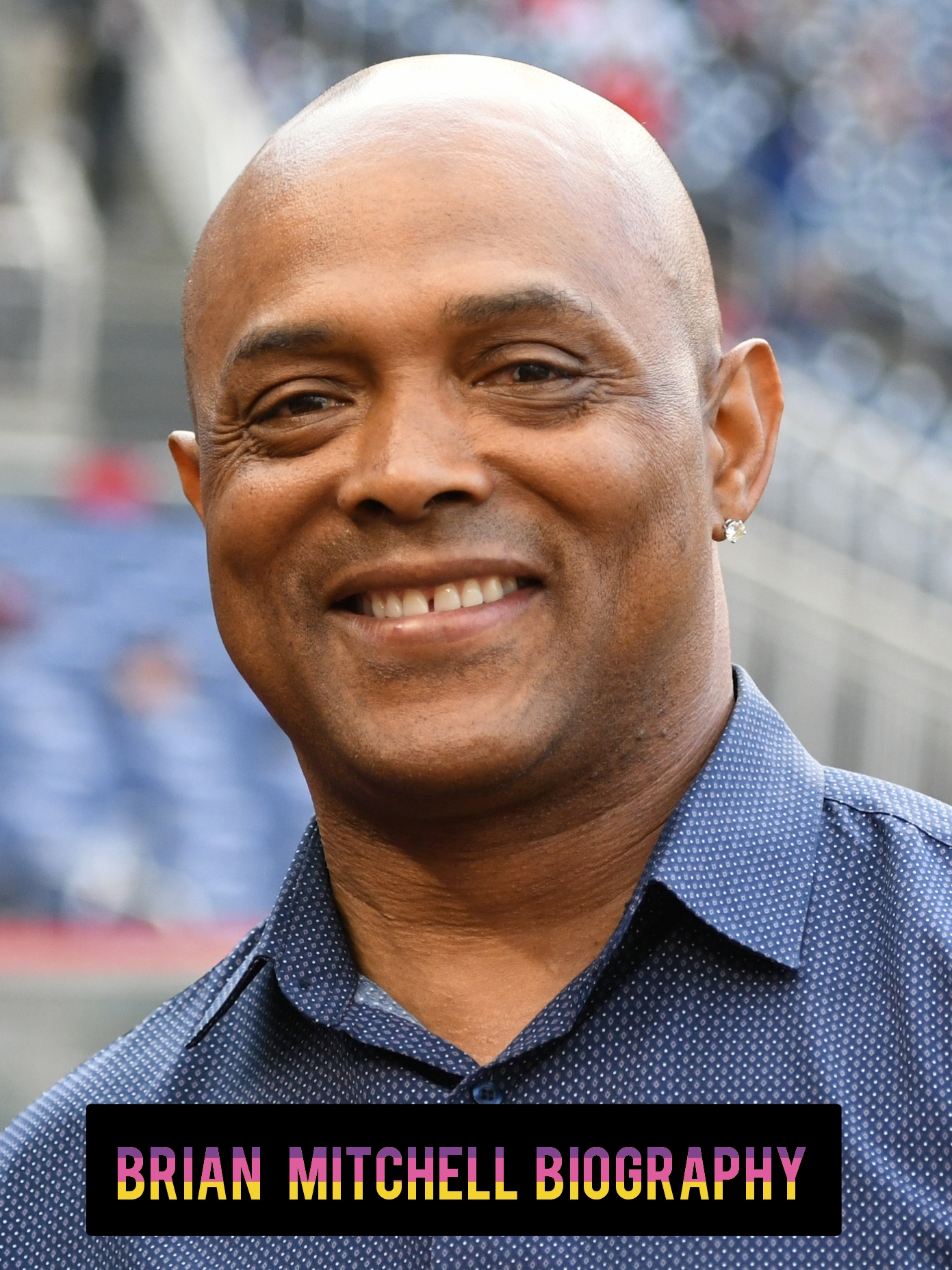
Brian Mitchell Biography
Brian Mitchell stands as one of South Africa’s finest boxing champions and a true road warrior of the ring. Born in Johannesburg during a turbulent era, he rose from a difficult childhood to claim world titles in the super featherweight division and defend them across continents. Known for his toughness, stamina, and ability to perform under pressure far from home, Mitchell compiled an outstanding record and earned induction into the International Boxing Hall of Fame. His career remains a source of pride for South African sport and a model of resilience in the face of political and personal challenges.
Brian Mitchell Interesting Fact That Draws the Reader In
Imagine winning a world title in your home country and then being forced to defend it almost entirely on foreign soil because of international sanctions. That was the reality for Brian Mitchell. Because of apartheid policies in South Africa, the major boxing organizations refused to sanction title fights inside the country. As a result Mitchell became known as The Road Warrior, traveling the globe to face challengers in their own backyards. He made twelve successful defenses of the WBA super featherweight title, most of them in places like Panama, Puerto Rico, France, Italy, Spain, Britain, and the United States. Crowds often jeered him, objects were thrown, and the atmosphere was hostile, yet he rarely failed to leave with his belt intact. Few champions have ever shown such consistent excellence away from home support.
Brian Mitchell Early Life
Brian Cecil Mitchell was born on August 30, 1961, in Kensington, Johannesburg, South Africa. His father, Brian Mitchell senior, had been a South African bantamweight champion, so boxing was part of the family story from the beginning. The household, however, was not stable. His parents separated when he was young, and Mitchell grew up in a broken home on the rough side of Johannesburg, particularly in the Troyeville area. Money was scarce, and the streets demanded toughness. Like many boys in similar circumstances, he learned to fight early, both in informal street scrapes and later in organized gyms.
Mitchell began formal boxing training around the age of nine. He spent roughly a decade as an amateur, building a solid foundation of skill and conditioning. The amateur years toughened him further and taught him the value of discipline. He left school early to focus on the sport and to help support his mother and siblings. By the time he turned professional in 1981 at the age of nineteen, he already possessed the hard edge that would define his career. Johannesburg’s diverse boxing scene, including township gyms where fighters of different backgrounds trained together, shaped his view of the sport as something that crossed the racial lines of the time.
Brian Mitchell Personal Life
Brian Mitchell has kept much of his private life away from public attention. He is married to Juanita Mitchell, and the couple has maintained a relatively quiet existence focused on family and work in the boxing community. After retiring from the ring he remained based in Johannesburg, where he has balanced family responsibilities with his continuing involvement in the sport. Those who know him describe a man who values loyalty and hard work, qualities formed during the difficult years of his youth.
Outside the gym Mitchell has shown interest in the business side of boxing and in mentoring younger athletes. He has spoken positively about the end of apartheid and the opportunities it created for South African sport. While he experienced the isolation of international sanctions during his peak years, he also formed friendships across racial lines in the local boxing community long before political change arrived. In later years he has worked as a commentator, gym owner, and manager, roles that allow him to stay connected to the sport while keeping a stable home life. His approach to personal matters remains respectful and private, consistent with a man who prefers to let his achievements in the ring speak for themselves.
Brian Mitchell Rise to Prominence
Mitchell turned professional in August 1981 in Johannesburg. He won his first three fights on points in quick succession and continued to build an early record with stoppage victories. In May 1982 he suffered the only loss of his career, a ten round decision defeat to Jacob Morake. That setback proved temporary. Mitchell returned stronger, defeating Morake in three subsequent meetings and also settling scores with other early rivals through rematches. By 1983 he had claimed the South African junior lightweight title with a ninth round stoppage of Chris Whiteboy. He defended that national crown eight times, establishing himself as the clear leader of the division at home.
The major breakthrough came on September 27, 1986, at the Superbowl in Sun City. Mitchell challenged Panamanian Alfredo Layne for the WBA super featherweight title and stopped him in the tenth round. The victory made him a world champion at the age of twenty five and earned him recognition as The Ring magazine champion as well. From that night forward his career took on an international character. Because the WBA and other bodies would not allow title defenses inside South Africa due to apartheid, Mitchell had to travel constantly. His first defense was a draw with Jose Rivera in Puerto Rico. Subsequent defenses took him to Panama, where he stopped Francisco Fernandez, and to other demanding venues around the world. Each successful trip strengthened his reputation as a fighter who could win under any conditions.
Brian Mitchell Major Achievements
Brian Mitchell’s professional record stands at forty five wins, one loss, and three draws, with twenty one victories by knockout. He held the WBA super featherweight title from 1986 until 1991 and made twelve successful defenses, a remarkable total for the division. He also held The Ring super featherweight title during the early part of that reign. In 1991 he added the IBF super featherweight title by defeating Tony Lopez via unanimous decision in a rematch after their first meeting had ended in a draw. Those accomplishments placed him among the elite of his weight class for half a decade.
Mitchell was widely regarded as the best junior lightweight in the world from 1986 until his retirement from championship competition. He defeated quality opponents including Danilo Cabrera, Jim McDonnell, Daniel Londas, and others during his title reign. His ability to win on the road against hostile crowds set him apart from many contemporaries. In 2009 he became the first South African boxer inducted into the International Boxing Hall of Fame in Canastota, New York, a recognition of both his record and the unique circumstances under which he achieved it. He also received multiple South African Boxer of the Year honors and later induction into the South African Sports Hall of Fame.
Beyond the titles, Mitchell’s career demonstrated the possibility of excellence despite political isolation. At a time when few South African athletes could compete freely on the world stage, he carried the nation’s flag with dignity and success. His twelve road defenses remain a benchmark for toughness and professionalism.
Brian Mitchell Challenges and Setbacks
The greatest challenge of Mitchell’s career was the international ban on South African sport caused by apartheid. After winning the world title at home he was forced to defend it almost exclusively abroad. Travel was constant, support was limited, and the atmosphere in foreign arenas was often openly hostile. Objects were thrown, crowds shouted against him, and the pressure of performing far from familiar surroundings was intense. Mitchell later described some of those trips as feeling like entering a war zone, yet he continued to prepare thoroughly and leave with victories.
His only professional loss, the early decision defeat to Jacob Morake, could have derailed a lesser fighter. Instead Mitchell used it as motivation, winning three later meetings with the same opponent. The fourth encounter ended tragically when Morake died from injuries sustained in the bout, an event that weighed on Mitchell and on the local boxing community. Weight making, the physical toll of frequent travel, and the political isolation of his country added further strain. After the second Lopez fight in 1991 Mitchell retired from title competition, only to return briefly in 1994 and 1995 for two final wins before stepping away for good. Through every obstacle he maintained a professional approach, focusing on preparation and performance rather than external circumstances.
Brian Mitchell Legacy and Current Status
Brian Mitchell is remembered as one of the greatest South African boxers of all time and as a pioneer who proved that excellence could shine even under difficult political conditions. His induction into the International Boxing Hall of Fame confirmed his place among the sport’s elite. Younger South African fighters still look to his example of toughness, consistency, and the ability to succeed away from home.
After leaving the ring Mitchell remained deeply involved in boxing. He owned and operated a gym in Johannesburg where he trained and managed fighters. Among those he guided were Namibian world champion Harry Simon and South African champion Cassius Baloyi. He later worked as a publicist for Golden Gloves promotions and as a television commentator for SuperSport, sharing his knowledge with a new generation of fans. He continues to manage fighters and stays active in the South African boxing scene. At an age when many former champions step completely away, Mitchell remains a respected voice and a practical contributor to the sport that shaped his life.
His legacy also includes the quiet example of a white South African athlete who trained and competed in township environments and formed lasting friendships across racial lines long before formal political change. That aspect of his story adds depth to the pure sporting achievements.
Conclusion
The career of Brian Mitchell shows how determination and skill can overcome isolation and adversity. From a broken home in Johannesburg to world championship success on distant shores, he demonstrated that true champions adapt and endure. His twelve title defenses on the road, his Hall of Fame induction, and his continued service to South African boxing form a complete picture of a life dedicated to the sport. For young athletes facing their own obstacles, Mitchell’s journey offers a clear lesson. Hard work, resilience, and respect for the craft can open doors that politics and circumstance try to close. His example continues to inspire long after the final bell.
FAQs
Who is Brian Mitchell?
Brian Mitchell is a South African former professional boxer who competed from 1981 to 1995. He is best known for holding the WBA and IBF super featherweight titles and for making twelve successful defenses of the WBA belt, mostly abroad.
When and where was Brian Mitchell born?
Brian Mitchell was born on August 30, 1961, in Kensington, Johannesburg, South Africa.
What is Brian Mitchell’s professional boxing record?
His professional record is forty five wins, one loss, and three draws, with twenty one of the victories coming by knockout.
Why was Brian Mitchell called The Road Warrior?
He earned the nickname because international sanctions against South Africa forced him to defend his world title almost exclusively in foreign countries, often in hostile environments.
Did Brian Mitchell win multiple world titles?
Yes. He held the WBA super featherweight title from 1986 to 1991 and the IBF super featherweight title after defeating Tony Lopez in 1991. He also held The Ring magazine title.
Is Brian Mitchell in the Boxing Hall of Fame?
Yes. He was inducted into the International Boxing Hall of Fame in 2009, becoming the first South African boxer to receive that honor.
What does Brian Mitchell do now?
After retirement he has worked as a trainer, gym owner, manager of fighters, publicist, and television commentator for SuperSport while remaining based in Johannesburg.
What was Brian Mitchell’s only professional loss?
His only loss came early in his career in 1982 against Jacob Morake. He later defeated Morake in three rematches.