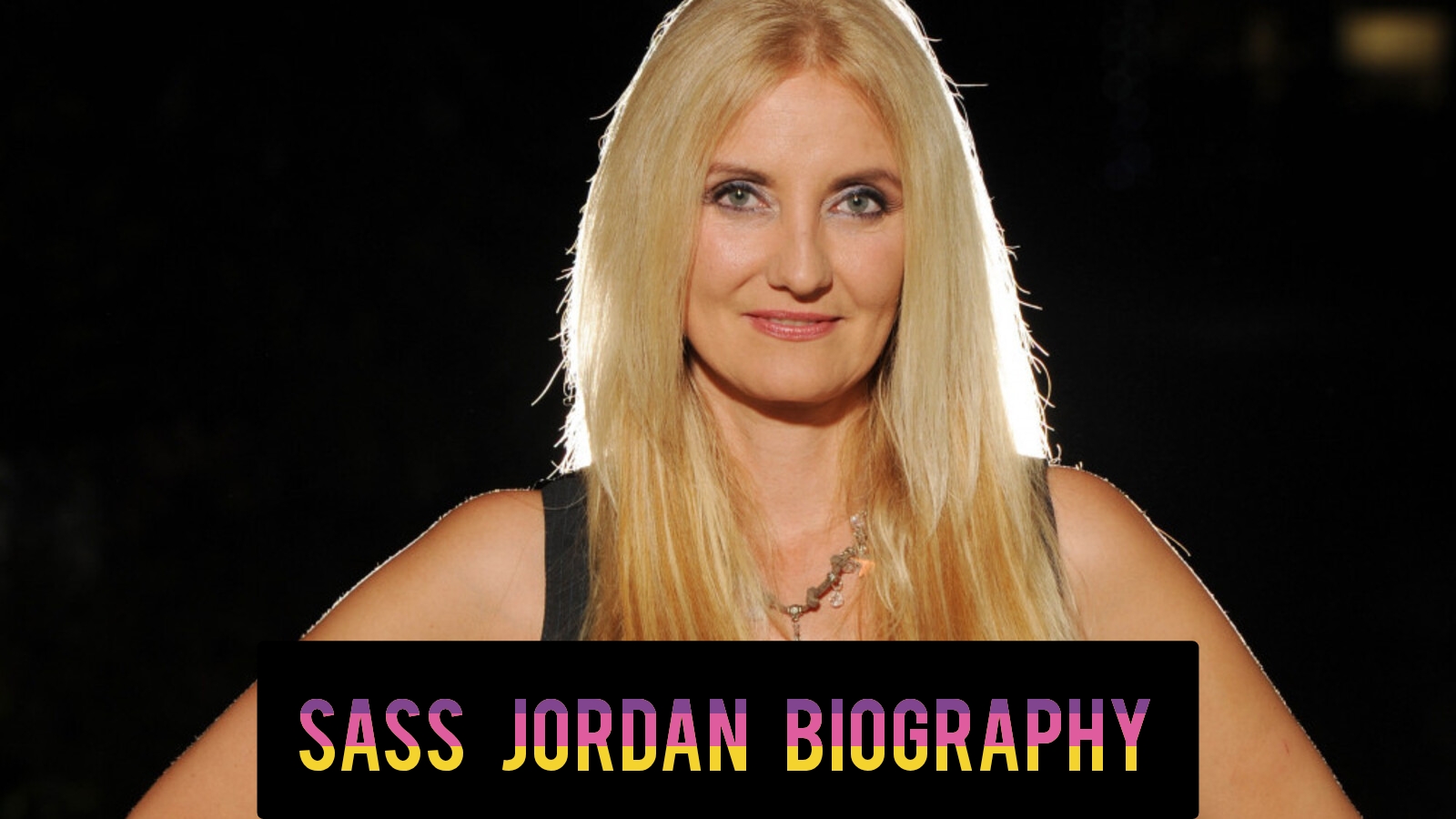
Sass Jordan Biography
Sass Jordan was a powerful Canadian rock and blues singer whose raspy voice and energetic performances earned her a lasting place in the music world. Born in England and raised in Montreal, she rose from local club stages to national stardom, international tours, and a prominent role as a television judge. Her career spanned more than four decades and included hit albums, major collaborations, and a later embrace of the blues. This biography explores the life of a determined artist who stayed true to her sound through changing times.
Sass Jordan Interesting Fact That Draws
the Reader In
Sass Jordan once shared a stage and a tour bus with a young Taylor Hawkins long before he became the drummer for Foo Fighters. In 1994 Hawkins played drums in her band during the Rats tour. Years later Dave Grohl publicly credited that experience, saying that if it were not for Sass Jordan, Taylor Hawkins might never have joined Foo Fighters. The connection highlights how her work as a working rock musician helped shape the path of one of modern rock’s most beloved figures.
Sass Jordan Early Life
Sarah Jordan was born on December 23, 1960, in Birmingham, England. Her father, Albert Jordan, was a French literature professor, and her mother, Jean Lanceman, had been an English ballerina and actress. When Sarah was three years old the family moved from France to Montreal after her father accepted a teaching position at Concordia University. They settled in the Westmount area, where she grew up in a household filled with classical music.
Despite the classical surroundings she was drawn to rock, soul, and blues. Hearing The Band’s music on the radio opened a new world for her. She began singing and playing guitar with friends in Westmount Park during her early teens. By the age of sixteen she was performing in downtown Montreal clubs. She soon joined the local band The Pinups as vocalist and bassist, gaining valuable stage experience in a competitive music scene.
Her parents separated when she was a teenager, and she left home around age fourteen to pursue music more fully. She worked as a session singer, most notably with the Montreal band The Box, and co wrote songs that reached the charts. These early years of club work, session singing, and songwriting built the foundation for her solo career and gave her a deep understanding of live performance and the music business.
Sass Jordan Personal Life
Sass Jordan was married to musician Derek Sharp, who is known for his work with The Guess Who. The couple had one daughter together. Jordan generally kept her family life private, focusing public attention on her music and professional activities. She valued the stability of home life even while maintaining a demanding schedule of recording and touring.
Outside of music she showed interest in acting and television. She appeared in stage productions and made guest appearances on television shows. Later she became a familiar face to Canadian audiences as a judge on Canadian Idol. Friends and colleagues often described her as straightforward, supportive of other artists, and committed to authenticity in her work. She drew inspiration from a wide range of singers, including male rock vocalists such as Paul Rodgers and Steven Tyler as well as soul and blues artists like Aretha Franklin and Bonnie Raitt. These influences shaped both her powerful delivery and her later move toward blues recordings.
Jordan maintained a professional presence for decades while balancing personal responsibilities. She continued to perform and record into her sixties, showing a lasting dedication to her craft and to the audiences who supported her.
Sass Jordan Rise to Prominence
Sass Jordan’s professional recording career began in the mid 1980s with session work and a featured vocal on the Bündock album Mauve. In 1988 she released her debut solo album Tell Somebody on Atlantic Records. The title track became a hit in Canada, and the album also produced the singles Double Trouble and Stranger Than Paradise. The success of the record earned her the 1989 Juno Award for Most Promising Female Vocalist and established her as a rising force in Canadian rock.
In 1990 she moved to Los Angeles to expand her reach in the American market. Her second album, Racine, arrived in 1992 and became her commercial peak. The record produced several Canadian radio hits including Make You a Believer, I Want to Believe, You Don’t Have to Remind Me, and Goin’ Back Again. It sold strongly in Canada and reached a wider international audience. That same year she recorded the duet Trust in Me with Joe Cocker for the soundtrack of the film The Bodyguard, which became one of the best selling soundtracks of all time.
Racine earned her recognition as Billboard’s top female rock artist of 1992. She toured with major acts including the Rolling Stones, Aerosmith, AC/DC, and Van Halen. These high profile opportunities confirmed her place among established rock performers and expanded her fan base beyond Canada.
Sass Jordan Major Achievements
Sass Jordan’s major achievements include both commercial success and critical recognition. Her debut album Tell Somebody went platinum in Canada and launched a string of radio hits. The follow up Racine solidified her status with multiple charting singles and strong sales. She received the Juno Award for Most Promising Female Vocalist in 1989 and earned additional Juno nominations for Best Female Vocalist in later years.
Her collaboration with Joe Cocker on the Bodyguard soundtrack brought her music to a global audience. Touring with legendary rock bands further elevated her profile. In the 2000s she reached a new generation of viewers as a judge on Canadian Idol for all six seasons of the show. Her presence on the program made her a household name in Canada and demonstrated her ability to connect with audiences beyond the concert stage.
Later in her career she turned toward the blues with the 2020 album Rebel Moon Blues, which reached number five on the Billboard Blues chart. A follow up blues project and a 2023 live album drawn from her 1994 tour with Taylor Hawkins on drums showed her continued creative energy. She also took on acting roles, including the part of Janis Joplin in the off Broadway production Love Janis and appearances in The Vagina Monologues. These varied accomplishments illustrate a career that combined recording success, live performance, television visibility, and artistic exploration.
Sass Jordan Challenges and Setbacks
Like many artists of her generation Sass Jordan faced the challenge of shifting musical trends. The rise of alternative rock in the mid 1990s made the hard rock sound of her early albums less prominent on radio. Subsequent releases did not match the commercial heights of Racine, requiring her to adapt her approach and continue building a career through live work and new opportunities.
Moving between Canada and the United States involved practical and professional adjustments. Maintaining momentum after early success demanded persistence. She navigated periods when the music industry focused on newer styles while she remained committed to her own voice and influences. The decision to step into television as a Canadian Idol judge provided stability and visibility during a transitional time and allowed her to return to music with renewed focus afterward.
In September 2026 she cancelled remaining tour dates because of an undisclosed medical condition. A short time later, on October 2, 2026, she passed away at the age of sixty five. The sudden end to her performing career marked a difficult close to a long professional journey. Through earlier industry changes she had shown resilience by continuing to record, tour, and explore new directions such as the blues.
Sass Jordan Legacy and Current Status
Sass Jordan left a lasting mark on Canadian rock and blues. She is remembered as a powerful vocalist who achieved significant success in a male dominated genre and as a familiar and supportive presence on Canadian television. Her early hits remain part of the soundtrack of late 1980s and early 1990s Canadian radio, while her later blues work introduced her voice to new listeners.
Her influence appears in the careers of younger artists who cite strong female rock voices as inspiration. The connection to Taylor Hawkins and the public acknowledgment from Dave Grohl add a notable chapter to her story within the broader rock community. Fans and fellow musicians have paid tribute to her authenticity, stage presence, and willingness to support others.
Although her life ended in 2026, her recordings continue to be available and her television work remains part of Canadian popular culture history. She is recalled as an artist who followed her own path, adapted when necessary, and maintained a direct connection with audiences for more than forty years.
Conclusion
Sass Jordan’s life demonstrates the value of persistence, a distinctive voice, and openness to new chapters. From Montreal club stages to international tours, from platinum albums to television judging, she built a career on talent and determination. Her story offers encouragement to artists who face changing trends and personal challenges. The power of her voice and the honesty of her approach ensure that her contributions to rock and blues will be remembered.
FAQs
Who was Sass Jordan?
Sass Jordan was a British born Canadian rock and blues singer, songwriter, and television personality known for hit albums in the late 1980s and 1990s and for serving as a judge on Canadian Idol.
When and where was Sass Jordan born?
She was born on December 23, 1960, in Birmingham, England, and raised in Montreal, Quebec.
What was Sass Jordan’s biggest album?
Her 1992 album Racine was her commercial high point, producing several Canadian hits and earning her recognition as Billboard’s top female rock artist that year.
Did Sass Jordan win any major awards?
Yes, she won the 1989 Juno Award for Most Promising Female Vocalist and received additional Juno nominations in later years.
What was Sass Jordan’s connection to Taylor Hawkins?
Taylor Hawkins played drums in her band during the 1994 Rats tour. Dave Grohl later said that experience helped lead Hawkins to Foo Fighters.
Was Sass Jordan on television?
Yes, she served as a judge on all six seasons of Canadian Idol from 2003 to 2008 and also appeared in acting roles on stage and television.
Did Sass Jordan record blues music?
Yes, later in her career she released the blues album Rebel Moon Blues in 2020, which reached the top five on the Billboard Blues chart.
Who was Sass Jordan married to?
She was married to musician Derek Sharp and they had one daughter.
When did Sass Jordan pass away?
She died on October 2, 2026, at the age of sixty five after cancelling tour dates the previous month due to a medical condition.
What is Sass Jordan’s legacy?
She is remembered as a powerful Canadian rock and blues voice, a trailblazer for women in rock, and a popular television personality who influenced both music and popular culture.